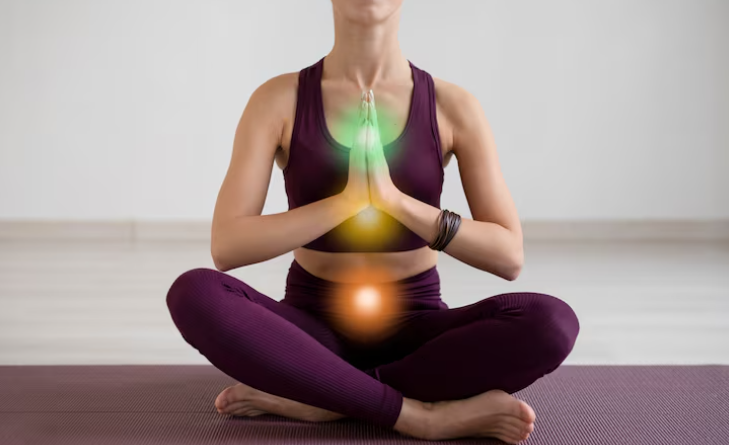
Rewiring Relaxation: How the Vagus Nerve Shapes Stress Responses
Stress is no longer viewed as only a mental experience; modern neuroscience confirms it is deeply rooted in the nervous system. At the center of this mind–body connection lies the vagus nerve, a powerful biological pathway that regulates how we respond to stress, recover from challenges, and restore balance. Understanding how the vagus nerve functions—and how it can be supported—opens new doors for both clinical wellness and everyday stress management.
Understanding the Vagus Nerve: The Body’s Stress Regulator
The vagus nerve is the longest cranial nerve in the body, extending from the brainstem down through the neck to major organs such as the heart, lungs, and digestive system. It is the primary driver of the parasympathetic nervous system, often referred to as the “rest-and-digest” system.
When the vagus nerve is functioning optimally, it helps slow heart rate, reduce inflammation, regulate breathing, and promote emotional stability. This process, known as vagal tone, reflects how efficiently the body can shift from stress to relaxation. Higher vagal tone is associated with better resilience, improved mood, and faster recovery from stress.
Stress, the Nervous System, and Vagal Dysfunction
Chronic stress, trauma, poor posture, and inflammation can impair vagal signaling. When this happens, the body may remain locked in a sympathetic “fight-or-flight” state for extended periods. Over time, this imbalance can contribute to anxiety, sleep disturbances, digestive issues, and cardiovascular strain.
One commonly overlooked issue is a Pinched Vagus Nerve in the Neck, which may result from prolonged screen use, cervical tension, or musculoskeletal misalignment. Compression or irritation in this region can interfere with nerve signaling, leading to symptoms such as dizziness, irregular heartbeat, neck discomfort, or digestive problems. From a clinical wellness perspective, addressing both neurological and physical contributors is essential for restoring balance.
How the Vagus Nerve Shapes Stress Responses
The vagus nerve acts as a communication highway between the brain and the body. It continuously sends signals that influence how the brain interprets safety and threat. When vagal pathways are activated, the brain receives cues that the environment is safe, allowing stress hormones like cortisol to decrease.
This mechanism explains why slow breathing, meditation, and cold exposure can calm the body—they all stimulate vagal activity. Clinically, this process is supported by Polyvagal Theory, which emphasizes the vagus nerve’s role in emotional regulation, social engagement, and recovery from stress.
Vagus Nerve Stimulation: A Science-Backed Approach
In recent years, vagus nerve stimulation (VNS) has gained attention in medical and wellness settings. Traditionally used in invasive clinical procedures, VNS is now available through non-invasive technologies designed for everyday use.
A vagus nerve stimulation device works by delivering controlled electrical signals to specific areas connected to vagal pathways. These signals encourage parasympathetic activation, helping the nervous system transition out of chronic stress patterns.
Clinical studies suggest that non-invasive VNS may support stress reduction, heart rate variability, sleep quality, and emotional regulation—making it a promising tool for nervous system health.
Nurosym: Non-Invasive Support for Nervous System Balance
Nurosym is a non-invasive vagus nerve stimulation device designed to support nervous system balance in everyday life. Rather than using medication or invasive procedures, Nurosym delivers gentle electrical stimulation through the ear, activating vagal pathways linked to relaxation and recovery.
From a clinical wellness perspective, Nurosym targets the auricular branch of the vagus nerve, an area shown to influence autonomic regulation. By providing consistent, low-level stimulation, the device supports the body’s natural ability to downregulate stress responses and enhance parasympathetic activity.
This approach is particularly valuable for individuals experiencing prolonged stress, nervous system dysregulation, or reduced vagal tone due to lifestyle or environmental factors.
Integrating Vagus Nerve Support into Daily Wellness
Supporting vagal health requires a comprehensive approach. While devices like Nurosym offer targeted stimulation, long-term benefits are maximized when combined with lifestyle practices that reinforce nervous system resilience.
Evidence-based strategies include diaphragmatic breathing, gentle neck mobility exercises, posture correction to reduce cervical compression, mindfulness practices, and adequate sleep. Addressing potential contributors such as a Pinched Vagus Nerve in the Neck through physical therapy or ergonomic adjustments can further enhance outcomes.
From a holistic and clinical standpoint, vagus nerve support is not about eliminating stress entirely, but about improving the body’s ability to recover efficiently.
The Future of Stress Management and Neurowellness
As neuroscience continues to evolve, the vagus nerve is emerging as a central target in preventive health and integrative medicine. Non-invasive technologies, combined with behavioral interventions, represent a shift toward personalized, nervous-system-centered wellness.
Understanding how the vagus nerve shapes stress responses allows individuals and clinicians alike to move beyond symptom management toward true physiological regulation. With tools such as a vagus nerve stimulation device and innovative solutions like Nurosym, rewiring relaxation is no longer theoretical—it is an accessible, science-backed pathway to long-term balance and resilience.